11 Dec 2025
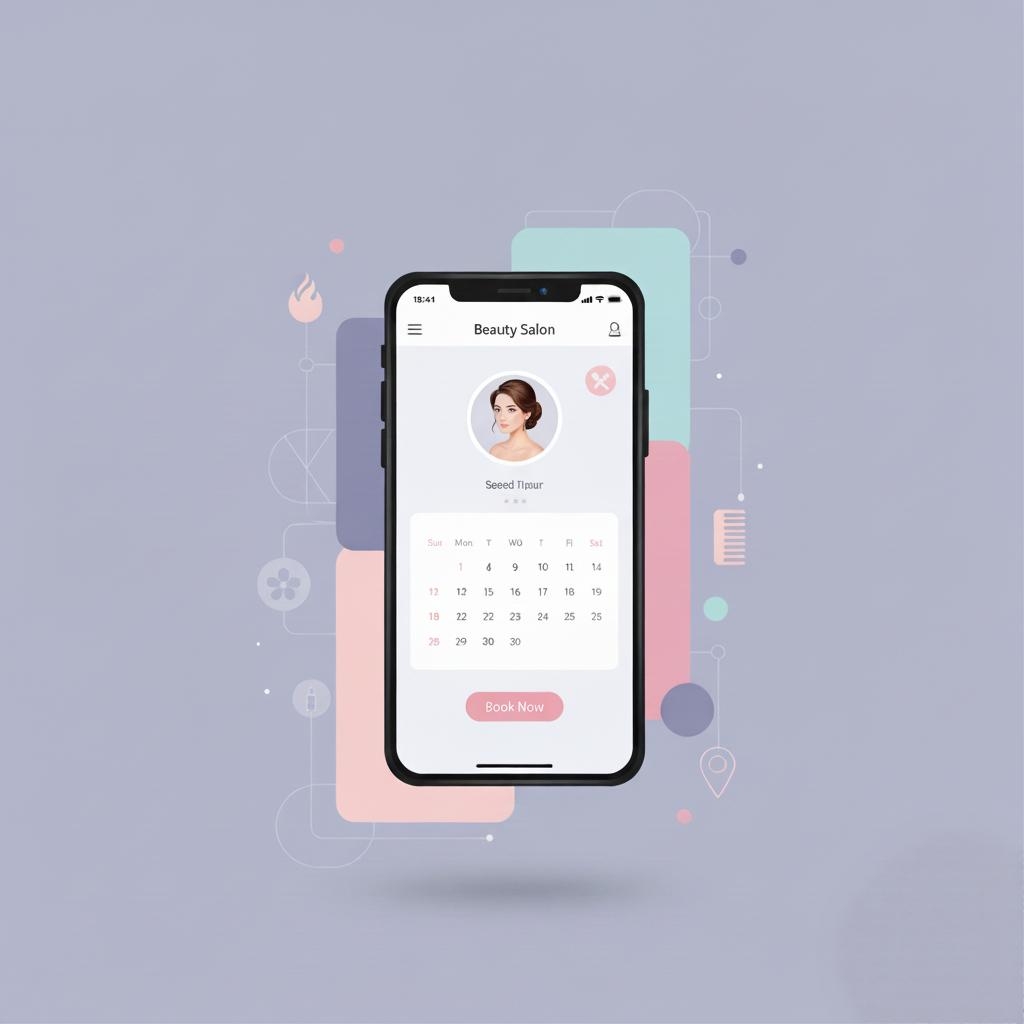
In an era where convenience and digital access drive customer expectations, the idea of a beauty salon app development has moved from being a luxury to a necessity. More and more salons and spas are recognising that a well-designed mobile application is not only a tool to manage appointments, but a powerful medium to enhance customer experience, streamline operations, boost revenue and build long-term loyalty. If you are exploring the idea of giving your salon a modern edge through app development, this blog will guide you through everything you need to know — why a salon app is valuable, what features matter most, what challenges to anticipate, and what future trends you should consider.
Whether you are a boutique hair studio in Kolkata, a full-service spa in Chennai or a chain of salons across India, this guide is tailored for anyone who wants to understand the benefits and practical aspects of beauty salon app development in 2025 and beyond.
Beauty salon app development is no longer an optional add-on but a strategic advantage for salons aiming to thrive in a competitive beauty market. Traditionally, salons have relied on phone calls, walk-ins or manual appointment books to manage bookings. This old-school approach often leads to scheduling conflicts, missed calls, lost bookings, and inefficiencies. A mobile app solves all that by giving customers the freedom to book appointments anytime, from anywhere. According to recent industry discussions, online booking systems allow for 24/7 booking access, accept payments digitally and send automated reminders — all of which significantly reduce no-shows and administrative burden on staff.
Moreover, beauty salon apps unlock more than just booking convenience. They act as a dedicated space where salons can showcase their full menu of services — including hair styling, makeup, spa treatments, massages, nail care, and more — complete with images, pricing, duration and descriptions. This visibility helps clients make informed choices and sets transparent expectations. Many salons using such apps also offer loyalty programmes, discounts, vouchers, and promotional offers directly through the app, which helps nurture repeat business and build long-term client relationships.
From the salon’s perspective, a dedicated app offers centralised control over bookings, payments, client data, staff scheduling and marketing — all accessible on a single dashboard. This consolidation not only reduces manual errors but also frees up time for salon staff to focus on delivering quality service rather than juggling administrative tasks.
In short, beauty salon app development addresses the shifting expectations of clients in a digital age while offering salon owners a smart way to scale, streamline, and grow their business sustainably.
If you are planning to invest in beauty salon app development, not all apps are created equal. The success of your app depends heavily on the feature set and the emphasis on usability, flexibility, and user experience. Some features are essential, while others can offer a competitive edge.
At the core, a salon app should offer a responsive and intuitive interface for customers to browse services, check availability, book appointments, and make payments. It should also allow salons to manage their service offerings: upload high-quality images or videos of past work, list service descriptions and pricing, and categorise services for ease of navigation. Such an organised service catalogue helps clients explore and compare offerings.
An effective salon app should support flexible booking options. Customers should be able to select their preferred time slot, stylist or beautician, and service package. The app can then send confirmations and reminders via push notifications, email or SMS — reducing no-shows and last-minute cancellations. Many salon apps also allow clients to pay online through multiple payment modes, and some support tips, deposits for bookings, or advance payments.
Another critical element is a robust admin panel. Salon owners or managers should have access to a dashboard where they can track appointments, manage clients, update service lists and prices, administer offers or discounts, view feedback and ratings, and maintain records of staff and customer data. This centralised control helps keep operations efficient and scalable.
To build long-term relationships and encourage loyalty, the app could provide features such as loyalty rewards, discount vouchers, personalised offers, and promotional notifications. When customers can see regular value, they are more likely to return.
Additionally, galleries showcasing previous work, images or videos of stylists, or even virtual tours of the salon can help prospective clients get a realistic preview of the experience, boosting trust and confidence in the salon before they book. Such transparency aligns with modern customers’ expectations.
While the benefits of beauty salon app development are compelling, there are important challenges and practical considerations that salon owners should be aware of before embarking on this journey.
One significant challenge lies in the cost and complexity of development. Depending on the features, platforms (iOS, Android, web), and customisation level, the cost of building a salon app can vary considerably. Basic salon or booking apps may start with a reasonable investment, but adding advanced features like real-time availability, secure payments, in-app notifications, loyalty programmes and admin dashboards increases both development time and cost.
Another hurdle is adoption. For clients accustomed to walking into a salon or calling to book, transitioning to a digital app may be a behavioural shift. It is essential to communicate clearly with clients about how the app works, perhaps incentivising early adopters with discounts or first-time offers to encourage them to download and use the app.
Technical maintenance and support are also key considerations. A salon app needs regular updates, secure payment integrations, data privacy compliance, bug fixes, and potentially customer support for both salon staff and clients. Without proper maintenance, the user experience can quickly degrade, undermining the purpose of building the app.
Finally, designing a user-friendly interface that works across devices and for different kinds of users — from customers to staff to salon managers — requires thoughtful planning. A poorly designed app may end up confusing users rather than helping them. The effort invested in design and user experience is as important as the features themselves.
The beauty and wellness industry is evolving rapidly and app developers are embracing new technologies to meet rising customer expectations. A major trend gaining traction is the integration of artificial intelligence (AI) into salon apps. Unlike traditional booking apps, AI-powered salon apps aim to deliver highly personalised and interactive experiences. Features like virtual try-ons, smart recommendations based on past visits, predictive scheduling, and personalised product suggestions are becoming more common. AI can also help salons forecast demand, manage inventory, automate marketing and deliver tailored offers — giving businesses a competitive edge.
On-demand beauty service apps are another emerging model. Instead of clients coming into the salon, these apps allow them to book services at home or at a location of their choosing. This flexibility caters to busy lifestyles and changing consumer expectations around convenience and time savings. For many salons and freelance beauticians, this opens a new revenue stream and enables them to reach a wider customer base.
One more trend is the emphasis on building community and long-term customer loyalty through digital engagement. Apps now often incorporate loyalty rewards, referral programmes, personalised offers and reminders — all managed centrally by salon owners. This nurtures consistent, repeat business rather than one-off visits, which is more sustainable and profitable in the long run.
If you are a salon owner considering a beauty salon app development project, the first step is to assess your business needs and client base. Identify what aspects of your operations could benefit most from digital transformation — booking and scheduling, payment processing, customer data management, promotional offers, or at-home services.
Next, prioritise features based on value and feasibility. Start with a minimum viable product that covers core needs: service listing, booking, payment, and admin dashboard. This keeps the initial investment manageable and helps you test whether clients are willing to adopt the app.
Design matters. Make sure the user interface is simple, clear, and intuitive for both customers and staff. Use high-quality images, clear service descriptions, simple navigation and straightforward payment flow. A good user experience increases adoption and reduces drop-off.
Plan for maintenance and support. Whether you build the app in-house or partner with a professional developer, ensure there is a plan for updates, bug fixes, security patches and customer support. Regular maintenance keeps the app functional, secure and relevant.
Finally, communicate the benefits of your salon app to your clients. Encourage them to download the app by emphasising convenience, exclusive offers, loyalty rewards, and ease of booking. Over time, as more customers use the app, you may see improvements in customer satisfaction, retention and salon revenue.
The future of beauty salon app development looks promising. With growing smartphone penetration and changing consumer behaviour towards on-demand services, salon apps are likely to become the default way salons operate. As AI becomes more accessible and affordable, even smaller salons may leverage smart features like virtual consultations, personalised service recommendations, and predictive scheduling to stand out.
Salons might also adopt hybrid models combining in-salon services with on-demand home services, offering clients maximum flexibility and convenience. Data-driven marketing, loyalty automation and real-time analytics will enable salons to better understand their customers, anticipate trends, and design personalised engagement strategies.
In addition, as client expectations rise, transparency and trust will become increasingly important. Apps with clear service descriptions, real photos and honest pricing will be the ones clients trust. Salons that invest in capturing high-quality images, testimonies and consistent communication will likely attract more clients and build strong reputations.
For salon owners in regions like India, where urban clients are increasingly digital-savvy, this could be an opportunity to leap ahead of competition. Salon app development is not just a trend; it is a gateway to future-proofing your business and delivering value that meets modern expectations.
Beauty salon app development represents a modern, efficient and strategic approach to managing and growing a salon business. By offering convenience to customers and operational efficiency to salon owners, a well-designed salon app can significantly enhance customer experience, streamline administration, build loyalty and open new revenue streams.
While there are costs and challenges involved, starting with a minimal but well-planned app and expanding features over time can make the transition manageable and rewarding. As technology evolves, especially with AI and on-demand services, salon apps are likely to become the backbone of salon businesses worldwide.
If you are considering an app for your salon, think of it as more than just a booking tool. Treat it as a digital storefront, a marketing channel, a client relationship builder, an operational assistant and a future-ready investment. In doing so you are aligning with the expectations of modern clients and giving your salon a sustainable path for growth.